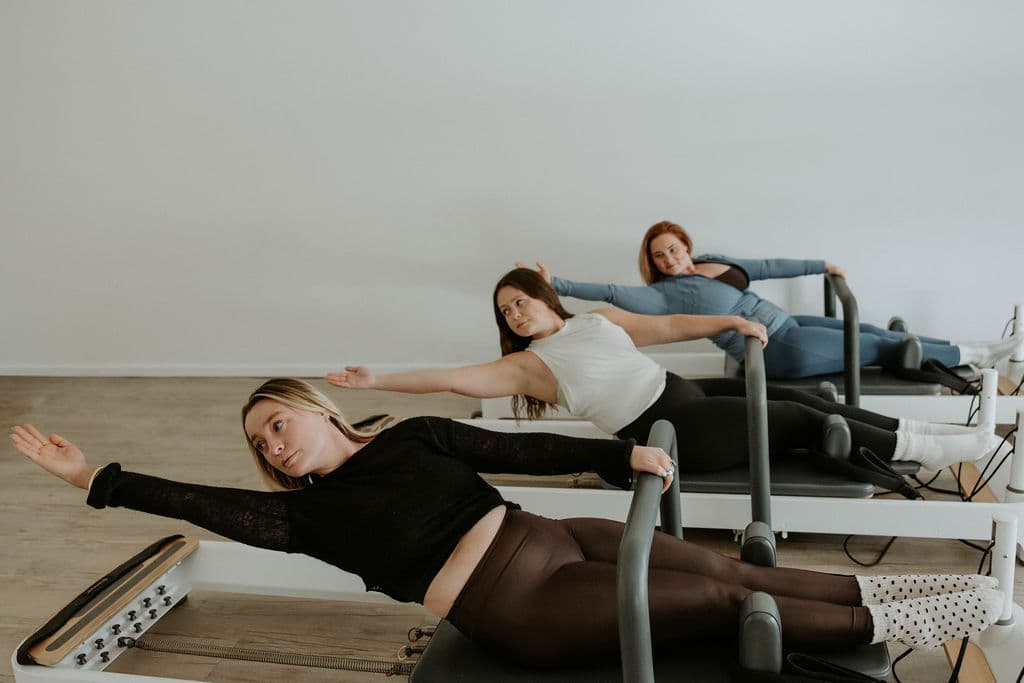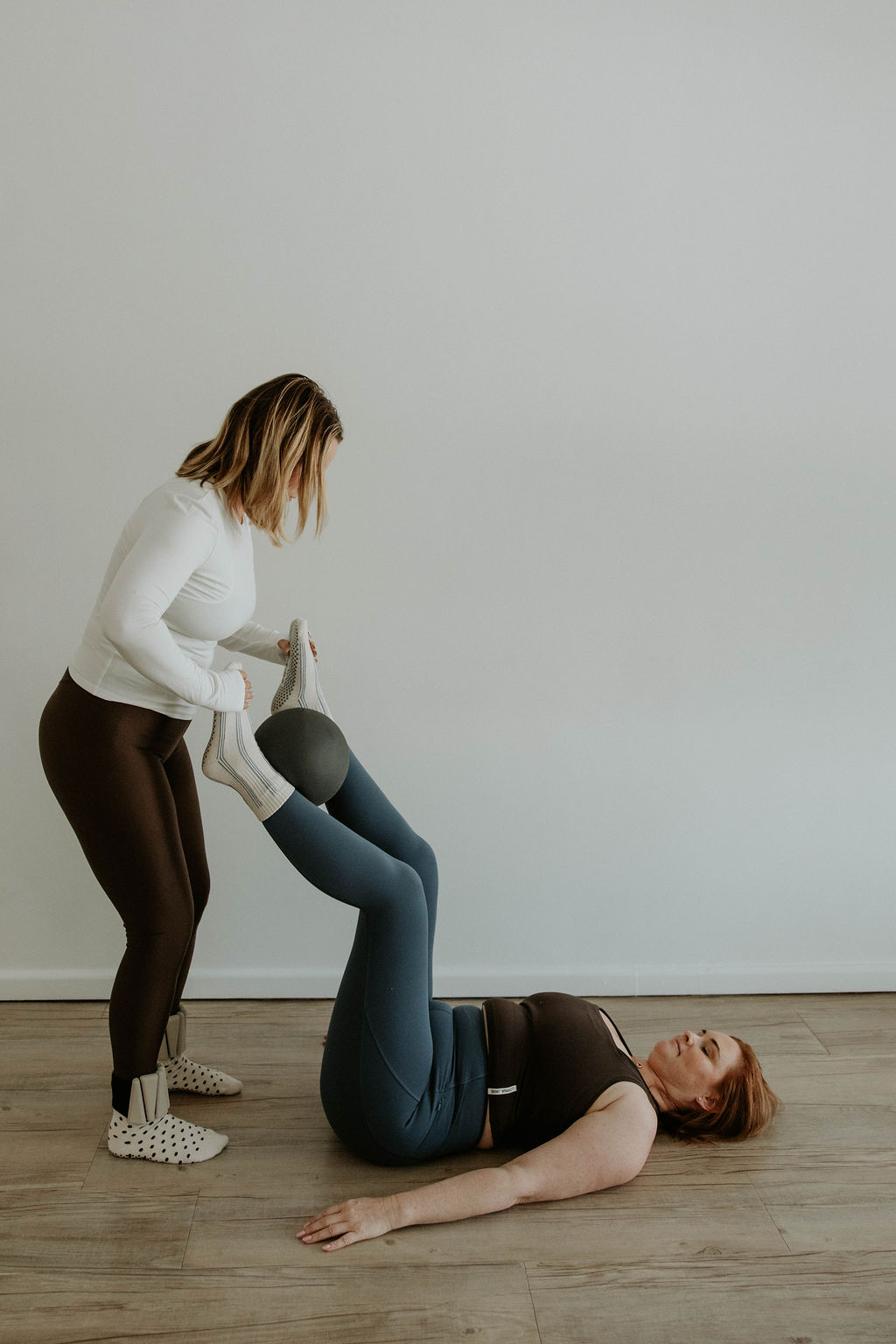
Practicing Pilates for bone health midlife increases skeletal density by using resistance and weight-bearing exercises to stimulate bone growth. These movements also enhance core stability and balance to prevent falls; this makes it a critical tool for maintaining physical independence and structural integrity during the aging process.
As you navigate your 40s and 50s, you might notice a subtle shift in how your body feels, accompanied by a growing awareness of bone density risks. It is a common concern during midlife; yet, many women feel uncertain about how to protect their skeletal health without risking injury. Understanding the science of bone remodeling is essential because your bones require specific, resisted tension to remain strong and resilient. In this comprehensive guide, we will explore why Pilates is a premier modality for maintaining bone health. You will learn about the physiological changes occurring during midlife, why Reformer work often surpasses mat exercises for building density, and the precise movements necessary for osteoporosis prevention. By focusing on alignment and controlled resistance, you can build a foundation of strength that supports your longevity and balance for decades to come.
Understanding Bone Density Changes in Your 40s and 50s
For many women in their 40s and 50s, the physical changes of perimenopause often manifest as sleep disturbances or temperature fluctuations. However, a more significant, invisible shift is occurring within the skeletal system. Estrogen plays a vital role in bone remodeling, acting as a natural brake on bone resorption. As estrogen levels decline during the transition to menopause, this protective mechanism weakens, allowing bone tissue to be broken down faster than the body can replace it.
This physiological shift makes the midlife period a critical window for intervention. It is a time when proactive movement, such as how Pilates supports menopause, becomes a necessity rather than a luxury. Understanding the terminology is the first step in management. Osteopenia refers to bone density that is lower than average but not yet classified as a disease. Osteoporosis occurs when the bones become sufficiently porous and brittle that the risk of fracture increases significantly.
Focusing on Pilates for bone health midlife allows women to address these changes before they progress into significant density loss. For residents in Caringbah and Kensington, maintaining skeletal integrity is fundamental to long term independence and an active lifestyle. From walking along the Cronulla shoreline to navigating daily life in the Sutherland Shire, strong bones provide the foundation for functional movement.
At our studios, we utilize private or small group sessions to ensure every movement is tailored to these specific hormonal shifts. By intervening during this pivotal decade, it is possible to mitigate the rapid decline in density often associated with the post-menopausal years. This proactive approach ensures that the skeletal system remains resilient enough to support a high quality of life for decades to come.
The Science of Bone Remodelling: How Pilates for Bone Health Midlife Works
Effecting real change in skeletal density requires an understanding of a fundamental principle of biomechanics known as Wolff’s Law. This law states that healthy bone is a dynamic tissue that reshapes itself in response to the mechanical demands placed upon it. When the skeletal system is subjected to specific loads, it triggers a cellular response that strengthens the bone in those areas to better withstand future stress. Essentially, the body perceives the load as a challenge and responds by making the bone more resilient.
Practicing Pilates for bone health midlife provides the two primary types of loading necessary to stimulate this remodeling process. The first is weight bearing stress, achieved through standing or kneeling exercises where the body works directly against gravity. This provides essential axial loading for the hips and spine. The second is resistance, where the use of springs and straps creates a pulling force. As muscles work against this tension, they exert a mechanical tug on the bone at the site of the tendon attachment, which is a powerful signal for the body to increase mineral density.
While high impact activities like running are often recommended for bone density, they can be difficult on midlife joints that may already be experiencing inflammation or age related wear. Pilates offers a sophisticated alternative by providing controlled stress. This method allows for the application of significant resistance and load in a way that is precise and alignment focused. It ensures that the musculoskeletal system is challenged enough to stimulate growth without the jarring forces that increase the risk of injury, making it a sustainable long term strategy for skeletal health.
Reformer vs Mat: Why Equipment is Superior for Bone Strength
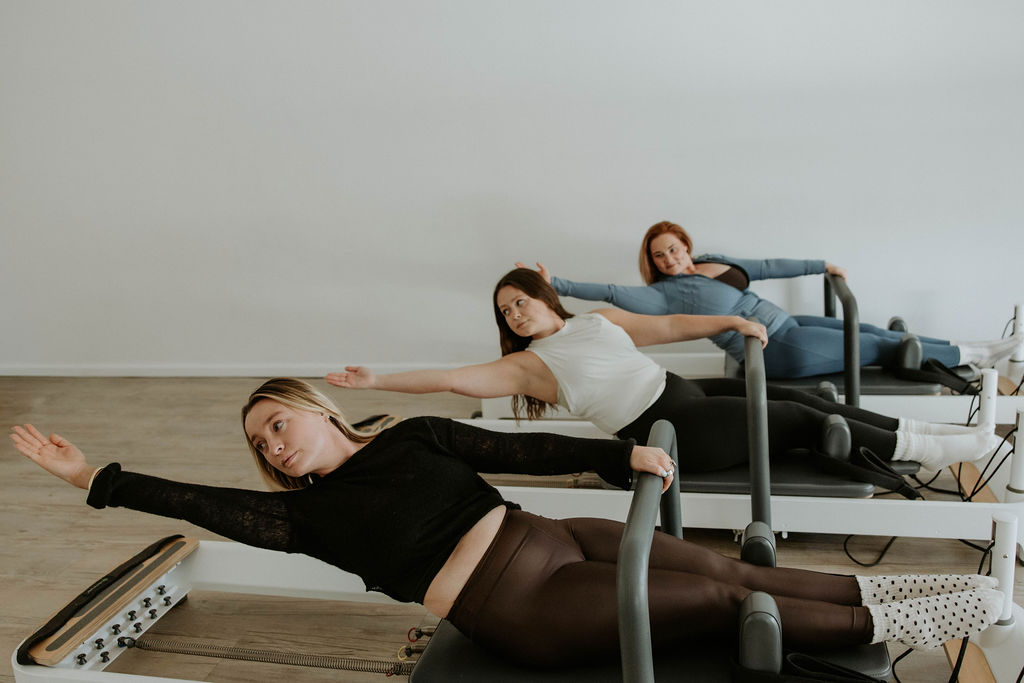
Mat Pilates provides an excellent foundation for core stability and flexibility; however, it often lacks the specific mechanical intensity required to stimulate significant bone growth in midlife. To trigger the remodeling process effectively, the skeletal system needs more than just body weight. It requires progressive, external resistance that can be measured and increased over time. This is where the specialized equipment at our Caringbah South and Kensington studios becomes indispensable for women prioritizing their skeletal health.
The primary advantage of the Reformer lies in its adjustable spring tension. Unlike a floor based routine, the Reformer allows for the application of resistance during both the eccentric and concentric phases of a movement. These resistance based pulling and pushing movements create a mechanical stress on the bones that is far more targeted than what can be achieved on a mat. By incrementally increasing the spring weight as your strength improves, we ensure the skeletal system is subjected to the progressive loading necessary to maintain and build density.
For functional standing exercises, the Wunda Chair is a particularly powerful tool. Its small footprint and heavy spring resistance facilitate weight bearing movements that closely mimic daily life, such as stepping or lifting, while providing a stable yet challenging base. This combination of axial loading and spring tension is highly effective for improving hip and femur density, which are critical areas of concern during the menopausal transition. Additionally, the Ladder Barrel allows for supported spinal extension and weight bearing through the upper body, helping to strengthen the vertebrae in a safe, controlled environment.
Utilizing these tools within private or small group sessions ensures that the equipment is calibrated to your specific physical needs. In a setting with a maximum of three clients, we can precisely adjust the spring tension to match your current bone density profile. This specialized approach ensures that the musculoskeletal system is sufficiently challenged to foster long term resilience without the risks associated with unmonitored or overloaded movement.
Key Pilates Exercises for Osteoporosis Prevention
The Footwork series on the Reformer serves as the foundation for leg bone loading. By pushing against heavy spring resistance through the heels and balls of the feet, the exercise sends a direct mechanical signal to the femur and the hip joint. It feels like a focused, intense engagement of the quadriceps and glutes; this load is essential for maintaining the integrity of the lower limbs. Within our private or small group sessions, we monitor pelvic stability to ensure the force is transmitted safely and effectively through the skeletal structure.
Chest Expansion targets upper body bone health and the thoracic spine, which are areas often vulnerable to posture changes during the transition into menopause. This movement involves pulling the Reformer straps or Wunda Chair handles back while maintaining a tall, open chest. It creates a pulling sensation on the shoulder blades and upper arm bones, stimulating mineral density while improving the muscular support that keeps the spine upright. Understanding how Pilates supports menopause involves recognizing these specific postural corrections that protect the vertebrae from compression.
Standing Side Splits on the Reformer provide a unique lateral challenge for hip density. By moving the carriage away from the platform while standing, the body must resist spring tension through the outer hips and inner thighs. This creates a weight bearing stress on the trochanter, the bony prominence at the top of the femur. It feels like a deep, stabilizing effort throughout the entire lower body, requiring precise control that is best refined under the eye of an experienced instructor. Incorporating these movements into a program of Pilates for bone health midlife ensures that the skeletal system is challenged from multiple planes of motion.
The Importance of Precision: Why Expert Guidance Matters for Bone Safety
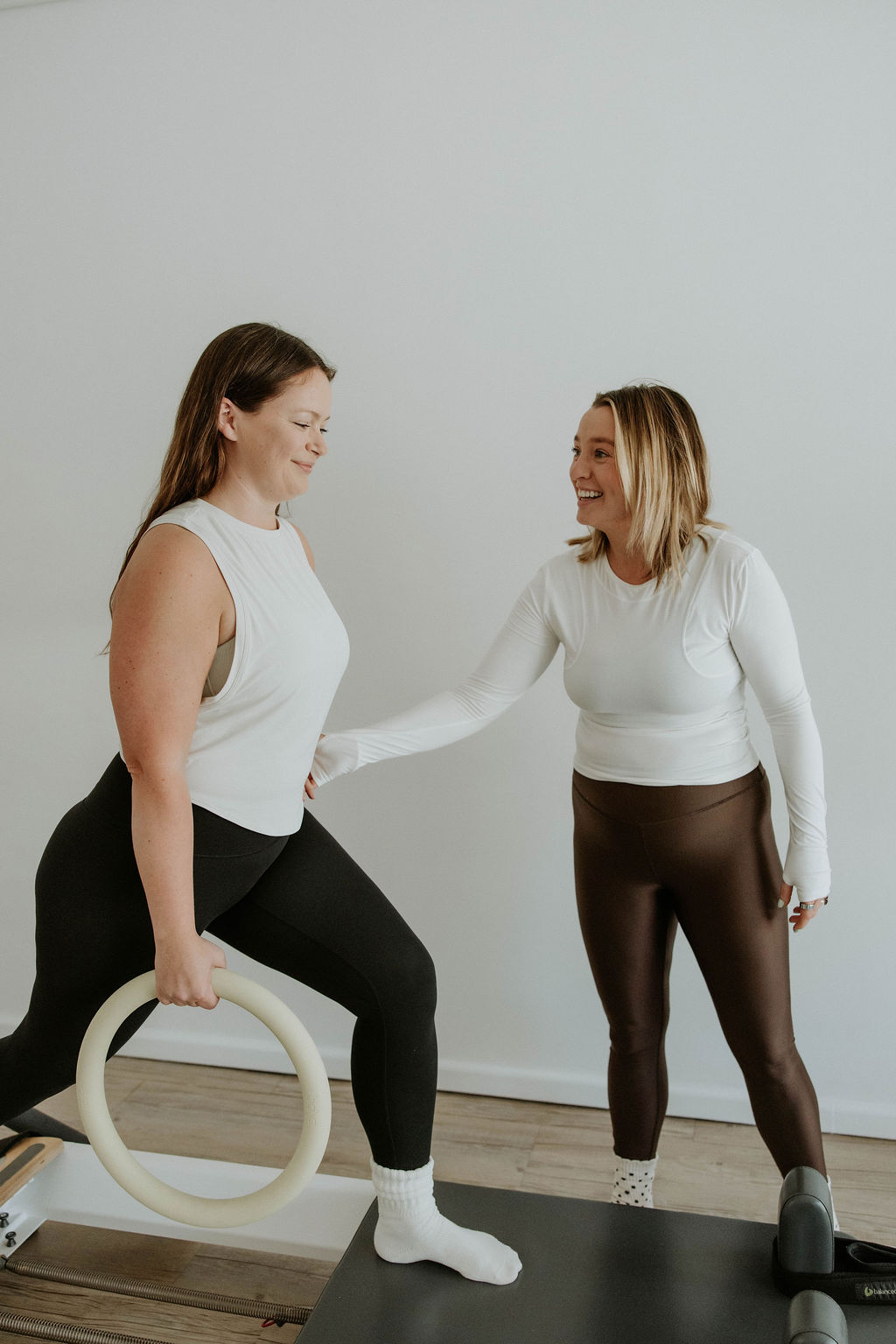
Implementing a program of Pilates for bone health midlife requires more than just following a sequence of movements; it demands a deep understanding of spinal mechanics. For those with compromised bone density, certain traditional exercises like deep forward flexion or extreme rotation can be hazardous. These movements can place undue stress on the front of the vertebrae, potentially leading to compression fractures. Expert guidance is essential to identify which exercises must be modified or omitted to protect the integrity of the skeletal system.
Julz brings over 18 years of clinical experience and advanced qualifications to every session. This expertise allows for the precise adaptation of movements, ensuring that the workout remains challenging but safe. Instead of risky rounding, we focus on maintaining a neutral spine while utilizing the resistance of the Reformer or Wunda Chair to build strength. Understanding how Pilates supports menopause means recognizing that safety and intensity are not mutually exclusive.
To maintain this high standard of care, we offer private or small group sessions in Caringbah South and Kensington with a maximum of three clients. This format ensures that your form is scrutinized and corrected in real time. This level of personalized attention is vital for those navigating midlife hormonal shifts, providing the peace of mind that comes from being under the supervision of a veteran practitioner who understands the specific needs of women over 40.
Balance and Fall Prevention: The Second Pillar of Bone Health
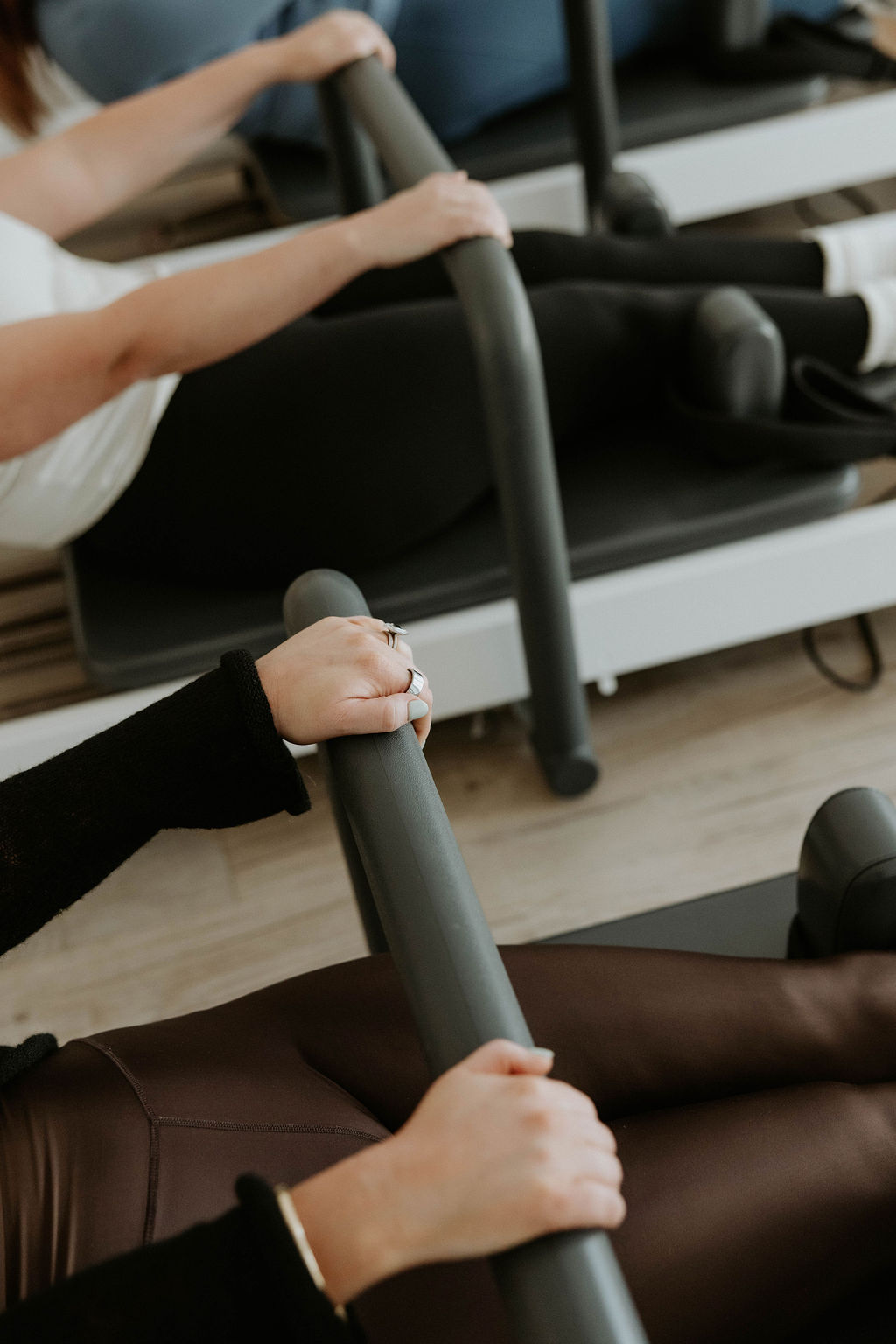
While building bone density is essential, the ultimate goal of a program for Pilates for bone health midlife is the prevention of injury. For women over 40, a fracture is often the result of a fall rather than just low density alone. Consequently, protecting the skeleton requires a sharp focus on balance and reactionary strength to ensure that high density bones are never put to the test of a sudden impact.
Pilates addresses this through the systematic development of proprioception, which is the body's ability to sense its position and movement in space. By working on the Reformer's moving carriage or the unstable surface of a Wunda Chair, the nervous system is trained to make constant micro-adjustments. This improves ankle stability and core reactivity, the two primary defenses against a stumble. When you are walking along the uneven paths of the Sutherland Shire or navigating daily life in Caringbah, it is these split second muscular responses that keep you upright.
In our private or small group sessions, we emphasize that skeletal health is about more than just a DEXA scan score. It is about the functional strength to manage daily life safely. By understanding how Pilates supports menopause, we can focus on the mobility and stability needed to maintain long term independence. This holistic approach ensures that your bones are not only denser but also better protected by a body that moves with confidence and precision.