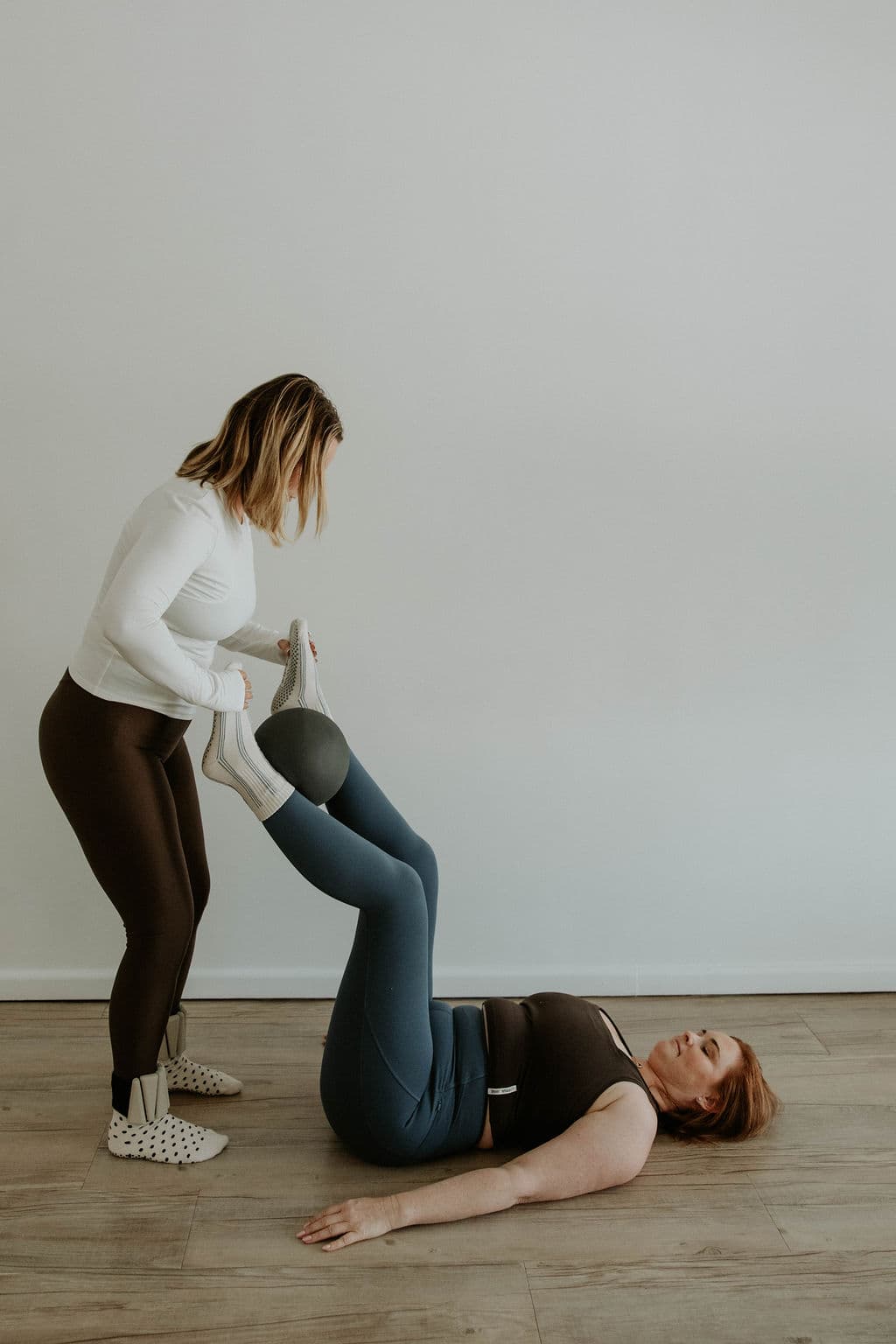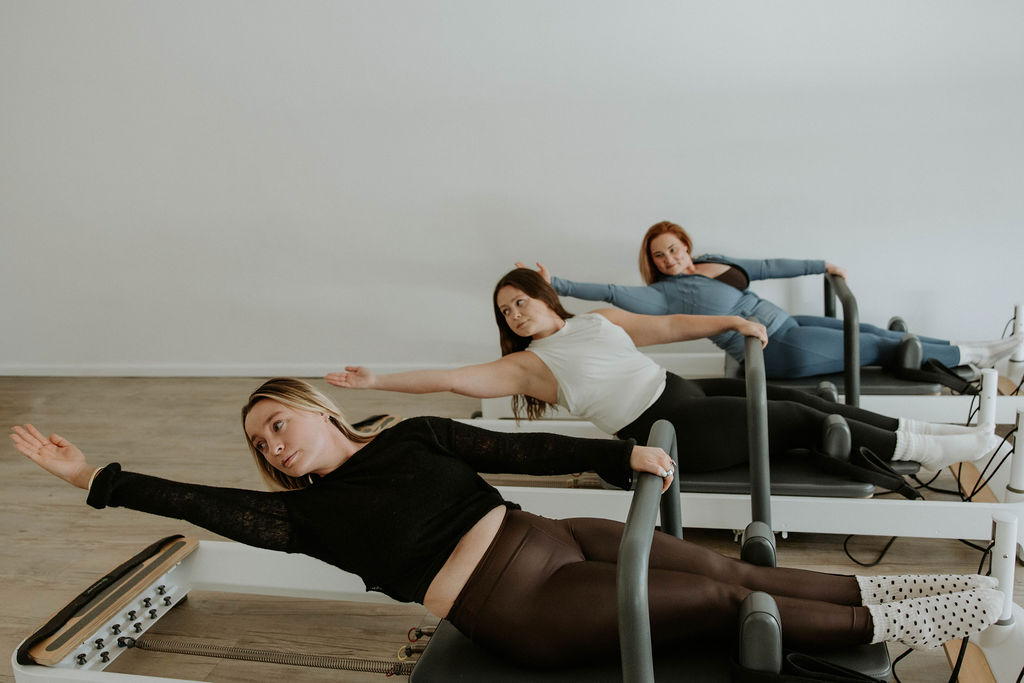
The exercise method was founded by Joseph Pilates in the early 20th century as a corrective system he originally called Contrology. Exploring the origins of Pilates Joseph Pilates history reveals how he developed these physical techniques to overcome childhood illnesses before opening his influential studio in New York City.
Have you ever found yourself moving through a series of hundreds while wondering if there is more to this practice than just a physical burn? It is easy to view Pilates as a modern fitness trend, yet this lack of context often prevents us from achieving the deep, restorative results Joseph Pilates intended. Understanding the history of the method is the key to unlocking its true potential in your own body; by tracing the legacy of the man who created it, we shift from simple exercise to a sophisticated art of movement. In this post, we will journey from his early health struggles and the makeshift hospital beds on the Isle of Man to the bustling New York studio he shared with Clara. You will discover the original philosophy of Contrology and why Joseph’s timeless manifestos still guide our practice at the studio today.
The Man Behind the Method: Joseph Pilates and His Early Struggles
Joseph Hubertus Pilates was born in 1883 in Mönchengladbach, near Düsseldorf, Germany. His early life was defined by profound physical challenges rather than natural strength. As a child, he struggled with a debilitating combination of rickets, asthma, and rheumatic fever. These ailments, which often left him bedridden or breathless, were the primary motivation for his obsession with health and vitality. Understanding the origins of Pilates Joseph Pilates history requires acknowledging that his method was born out of a personal survival strategy.
Through a disciplined study of anatomy and movement, Joseph transformed his frail body. By his teenage years, he had achieved such physical symmetry that he was used as a model for anatomical charts. He later found success as a gymnast, diver, and professional boxer, embodying the very resilience he sought to teach others.
Joseph functioned as a polymath of physical culture. He did not simply lift weights; he synthesized the "ideal man" concepts of Greek philosophy with the meditative flow of Eastern practices and the precision of Western medical science. This holistic foundation is why we emphasize small group and private session pricing that reflects a specialized approach; Joseph’s legacy was never about mass-produced fitness, but about a deep, individualized understanding of the human frame. You can read more about our instructor to see how this historical dedication to physical excellence informs our modern teaching.
WWI and the Isle of Man: The Surprising Birthplace of the Reformer
The outbreak of World War I provided the ultimate testing ground for Joseph’s theories, marking a critical chapter in the origins of Pilates Joseph Pilates history. Living in England at the time, Joseph was interned as an enemy alien on the Isle of Man at the Knockaloe camp. This period of confinement, often overlooked in casual fitness discussions, was the laboratory where his most famous inventions were conceived. Joseph began training fellow internees to help them withstand the physical and mental toll of captivity, insisting that even those confined to hospital beds maintain their strength and respiratory health.
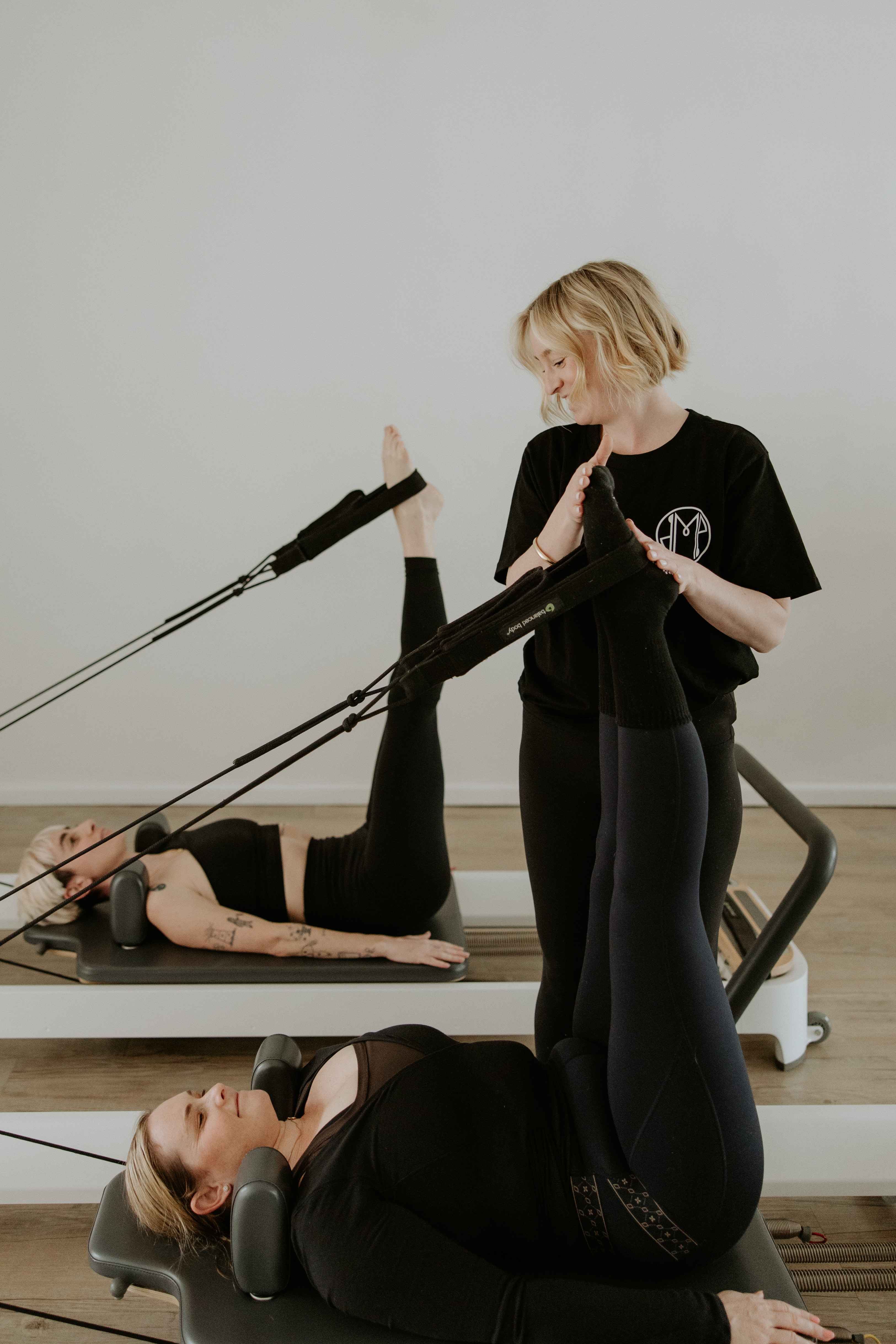
People often ask if Joseph Pilates invented his method specifically for soldiers. While he worked with individuals in a camp setting, his focus was on rehabilitating any body that had lost its natural vitality. To assist bedridden patients, he rigged bed springs to bedposts to create resistance. This makeshift equipment became the prototype for the modern Reformer and Cadillac. This spring based resistance allowed for controlled movement that supported the joints while building deep strength, a method we still utilize with precision in our studio today.
The efficacy of his regimen was famously tested during the 1918 Spanish Flu pandemic. While the virus claimed millions of lives globally, those practicing under Joseph’s guidance reportedly survived due to their superior physical condition. This historical resilience underscores why our small group and private session pricing reflects a commitment to individualized, health focused movement. Joseph proved that physical preparation was the best defense against external stressors, a philosophy that remains central to our work with women navigating the changes of midlife and perimenopause.
The Voyage to New York: Finding Clara and the First Studio
The evolution of the origins of Pilates Joseph Pilates history reached a pivotal turning point in 1926 when Joseph emigrated to the United States. During the transatlantic crossing, he met Clara, a nurse who would become his wife and an essential collaborator in refining his method. While Joseph provided the inventive vision, Clara brought a nurturing, clinical perspective that helped translate his rigorous exercises into a system accessible to a broader range of bodies. This partnership ensured that the method remained grounded in both physical challenge and rehabilitative care.
Upon arriving in New York City, they opened their first studio at 939 Eighth Avenue. The location was significant, as the building was a hub for the New York City Ballet. This proximity quickly established the method as the gold standard for the professional dance community. Icons such as George Balanchine and Martha Graham recognized that Joseph’s system offered something traditional training could not: functional strength and rehabilitation that did not produce bulky muscles.
Dancers required long, lean musculature and precise joint stability to withstand the demands of their craft. Joseph’s apparatus allowed for targeted conditioning that improved performance while accelerating recovery from injury. This focus on precision and non-bulky strength remains a cornerstone of our small group and private session pricing, ensuring that each client receives the same level of detailed attention that those early New York pioneers enjoyed. To understand how these historical techniques are applied to modern bodies, you can read more about our instructor.
What is Contrology? Understanding the Original Philosophy
While the world now knows his method by his surname, Joseph originally titled his work Contrology. He defined this system as the complete coordination of body, mind, and spirit. This definition reveals the spiritual origin of Pilates, which was never intended to be a mindless, repetitive workout. Instead, it was designed to return the body to its natural state of vitality through conscious movement. In our studio, we honor this by ensuring our small group and private session pricing reflects the high level of instruction required to master these concepts.
Contrology is anchored by six core principles that remain the foundation of our practice:
Concentration: Deep focus on each movement to recruit the correct muscles and foster a mind-body connection.
Control: Deliberate, conscious execution of every motion to ensure safety and effectiveness.
Center: Initiating all work from the "powerhouse," encompassing the abdominals, lower back, and hips.
Flow: Creating a seamless, graceful transition between exercises to build functional stamina.
Precision: Prioritizing the exactness of a movement over the quantity of repetitions.
Breath: Using full, rhythmic inhalations and exhalations to oxygenate the blood and cleanse the system.
This philosophical depth distinguishes the origins of Pilates Joseph Pilates history from modern, high-intensity gym culture. For Joseph, Contrology was a lifestyle choice aimed at achieving a balanced body that could support a clear mind and a vibrant spirit. Understanding these principles is essential for women navigating the physical shifts of midlife, as it moves the focus from external aesthetics to internal functional strength. You can learn more about how we apply these principles about our instructor and her two decades of specialized experience.
Your Health (1934): A Manifesto for Modern Wellness
While much of the origins of Pilates Joseph Pilates history focuses on his later fame, his 1934 book, Your Health, is a frequently overlooked manifesto that remains startlingly relevant. In this work, Joseph challenged the conventional medical views of his era by arguing that health is a dynamic state of being, not merely the absence of disease. This holistic perspective is particularly vital for women over 40, as it shifts the focus from simply reacting to symptoms toward cultivating a resilient, vibrant system that can withstand the rigors of midlife.
Joseph was decades ahead of his time in identifying what he called the maladies of modern life. He warned that sedentary habits, poor posture, and persistent stress would inevitably lead to chronic physical and mental decline. He believed that the human body is designed for natural movement and that deviating from this path creates the very aches and pains many clients seek to resolve today. By prioritizing the mind body connection, he advocated for a system where mental clarity and physical strength reinforce one another. At our studio, we apply these insights to help clients navigate perimenopause and midlife transitions with grace. Our small group and private session pricing reflects the value of this individualized, comprehensive approach to wellness, ensuring that every session addresses the person as a whole, just as Joseph intended. You can learn more about our instructor and how these principles are integrated into our specialized sessions.
Return to Life Through Contrology (1945): The 34 Mat Exercises
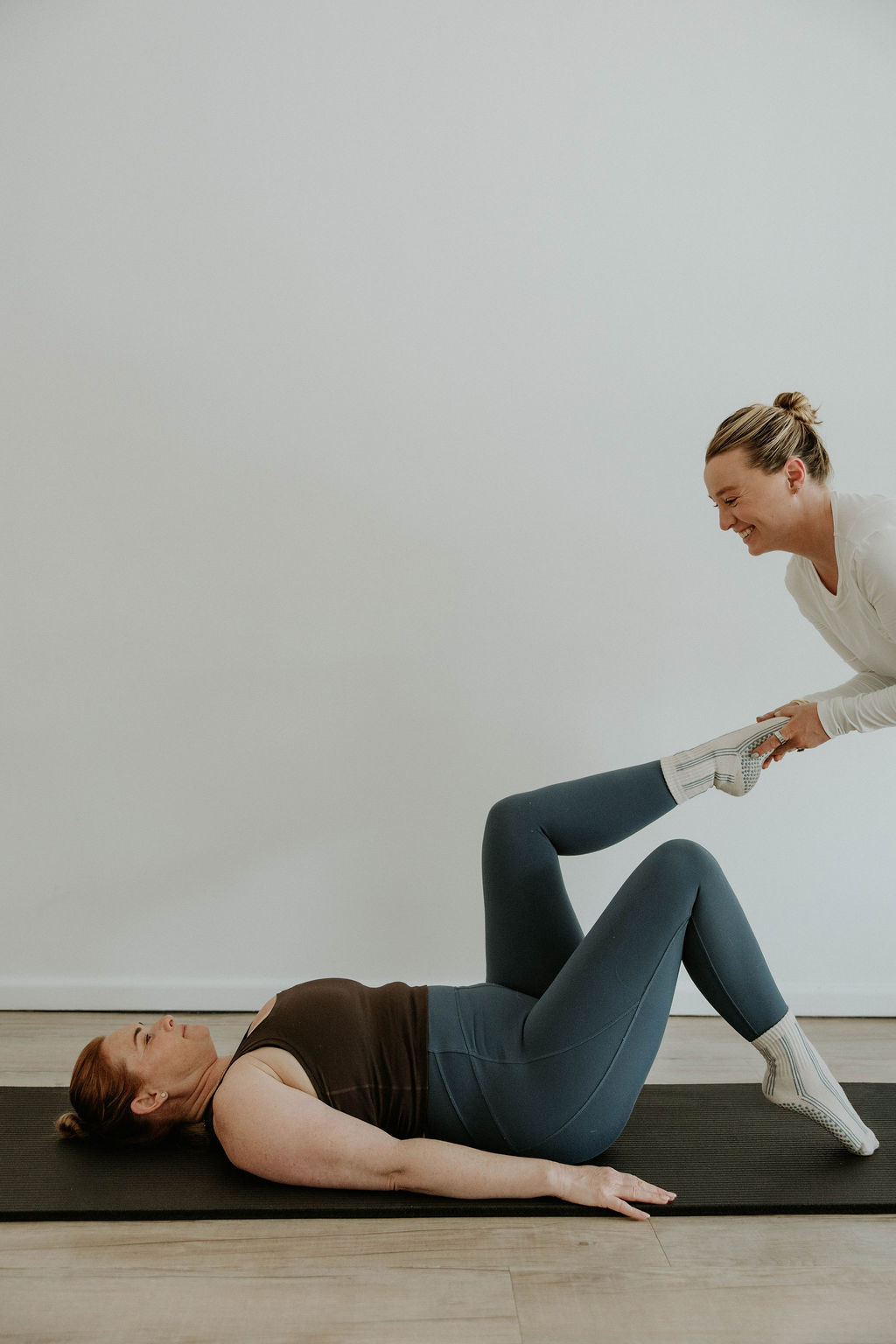
In 1945, Joseph Pilates published his seminal work, Return to Life Through Contrology. This text formalised the foundation of his method by documenting the 34 original mat exercises, ranging from the foundational Hundred to the advanced Control Balance. A central tenet of this book is the specific order of exercises. Joseph believed that following a precise sequence was essential to maximize blood flow to every part of the body and systematically improve spinal mobility. Each movement prepares the body for the next, ensuring a safe and progressive challenge that builds internal heat and focus.
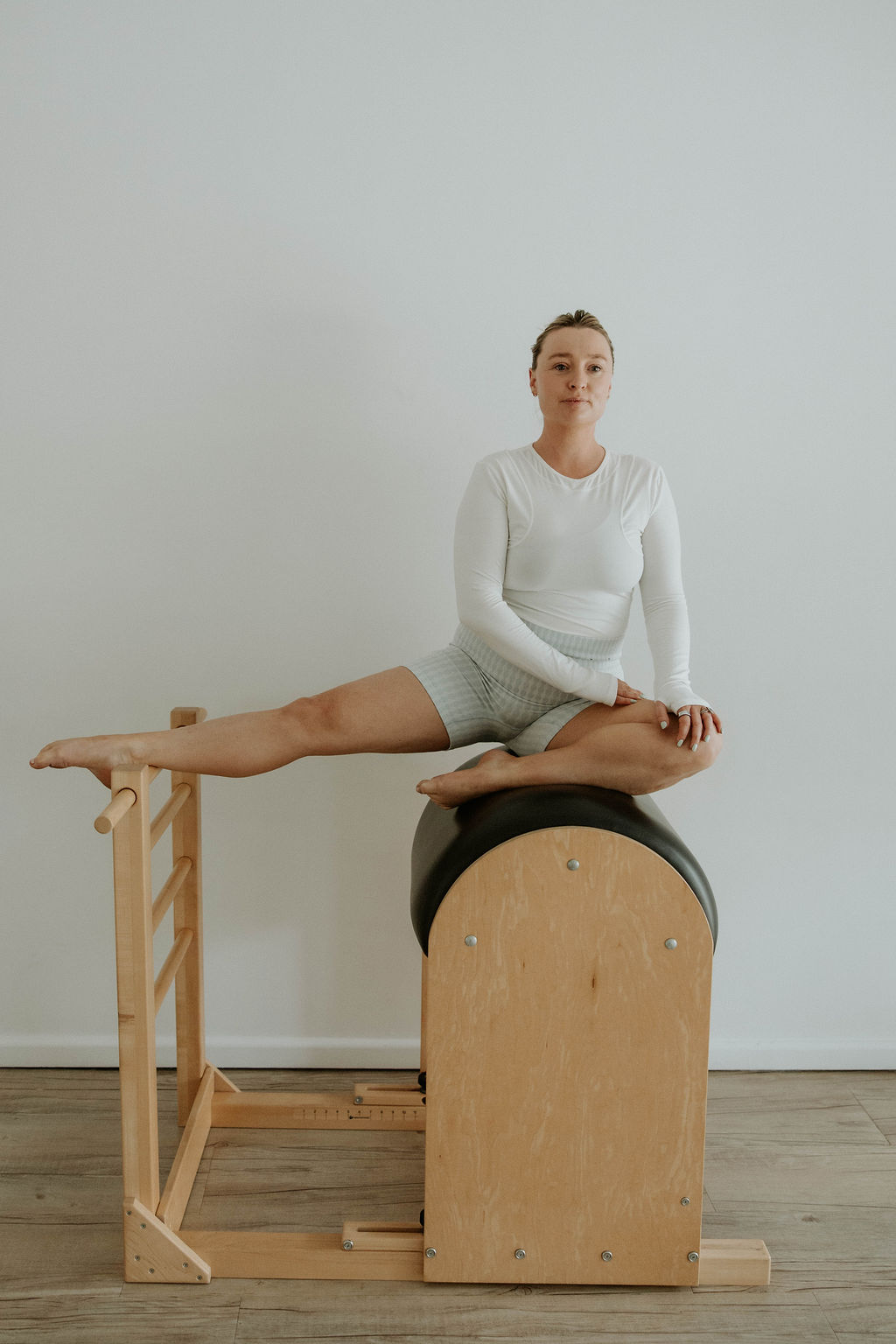
While the mat work is iconic, it represents only one facet of the origins of Pilates Joseph Pilates history. Joseph was a prolific inventor who filed over 26 patents for his unique apparatus. These tools were designed to support, challenge, and correct the body in ways the floor could not. In our Caringbah studio, we continue to utilize these original designs, including the Wunda Chair and Ladder Barrel. These pieces of equipment are particularly effective for women in midlife, as they allow for targeted strength work and decompression without unnecessary joint strain. Understanding how to utilize these inventions properly requires expert guidance; you can learn more about our instructor and how she incorporates these tools. Our small group and private session pricing reflects the specialized training needed to master both the original mat sequence and the complex apparatus work that Joseph perfected over decades.
From Contrology to Modern Pilates: Why History Matters in Our Studio
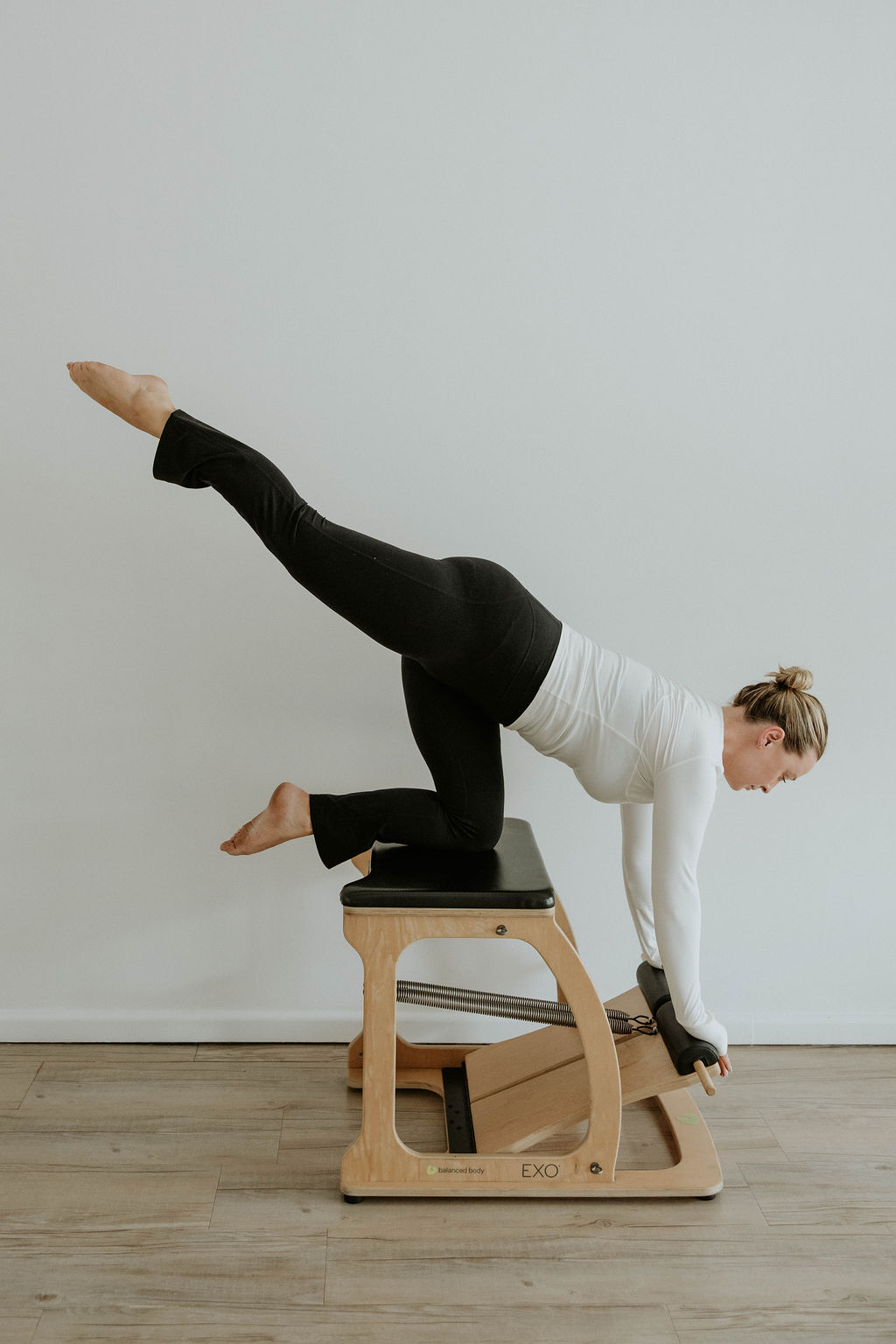
The evolution from Joseph’s original studio to our modern practice in Caringbah and Kensington is rooted in a deep respect for the origins of Pilates Joseph Pilates history. With over 18 years of teaching experience, I have dedicated my career to understanding the lineages passed down by the Elders, the direct students of Joseph who preserved his specific techniques. This historical foundation is not a museum piece; it is a living framework that I adapt specifically for women navigating perimenopause and midlife. During these hormonal transitions, the body requires the exact blend of resistance and mobility that Joseph pioneered to manage aches, pains, and weight changes.
To honor his demand for Precision, our studio strictly limits small group and private session pricing to a maximum of three clients. This intimate setting ensures that every movement is monitored and adjusted, preventing the sloppy execution often found in larger, generic fitness classes. Utilizing the full suite of equipment, including the Reformer and Wunda Chair, allows for a focus on structural alignment and internal strength that mirrors Joseph's original intent. You can learn more about our instructor and how this high level of qualification translates into specialized care for women over 40. While the world may have renamed the method, the heart of our work remains Contrology: the art of returning the body to its natural, vibrant state through disciplined, intelligent movement.
Understanding the deep history of Contrology reminds us that Pilates is much more than a modern fitness trend. It is a timeless philosophy of movement designed to strengthen both the mind and body. Joseph Pilates left a legacy of precision and focus that remains relevant today. If you want expert help applying these foundational principles to your own practice, feel free to read more on our About page. We are here to support your journey toward mindful strength and balance.